
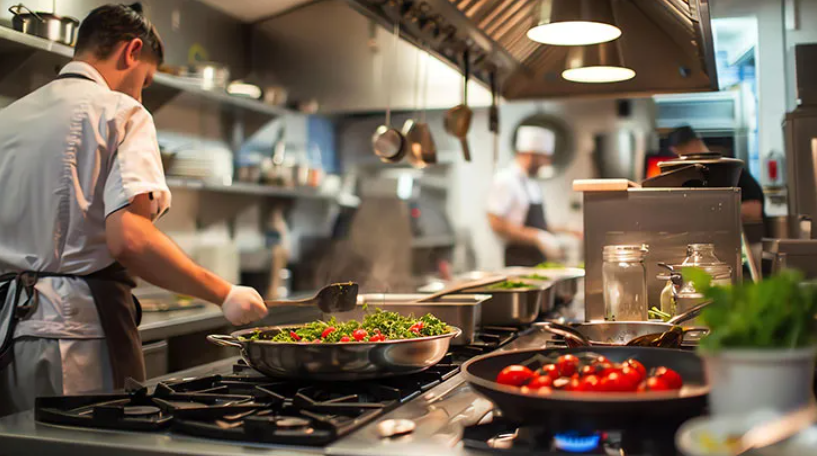
Introduction To Cloud Kitchens
A cloud kitchen, also known as a ghost kitchen or virtual kitchen, is a food preparation facility that operates without a traditional dine-in space. Instead, it focuses entirely on fulfilling online food delivery orders. In the evolving food and beverage industry, the cloud kitchen concept has rapidly gained popularity due to its cost efficiency, scalability, and alignment with digital ordering trends.
How Cloud Kitchens Work
Unlike conventional restaurants, a cloud kitchen operates through delivery-only models. These kitchens receive orders via food delivery apps or dedicated websites. Once the order is placed, chefs prepare the meals within the kitchen, and the food is delivered directly to the customer’s door.
A single cloud kitchen may host multiple virtual brands under one roof, allowing businesses to cater to diverse food preferences and maximize revenue using shared resources and staff.
Types Of Cloud Kitchens
Several types of cloud kitchen models are used today, each serving a different business need:
Independent Cloud Kitchens
These are standalone operations that focus on one or two virtual restaurant brands. They manage their own logistics, marketing, and food preparation.
Multi-Brand Cloud Kitchens
A single kitchen space prepares food for multiple brands simultaneously. This model allows operators to offer various cuisines and target different customer groups.
Aggregator-Managed Kitchens
In this setup, food delivery platforms rent and manage kitchen spaces for restaurants that want to expand their reach without opening physical outlets.
See also: Unlocking the Health Benefits of a Daily Protein Shake
Co-Working Cloud Kitchens
Multiple independent food brands operate under cloud kitchen one roof while sharing kitchen equipment, storage, and maintenance costs. This model is particularly appealing to startups.
Benefits Of Cloud Kitchens
The cloud kitchen model brings several advantages that make it an attractive option for food entrepreneurs and established brands alike.
Lower Overheads
Without a dining area, the cost of rent, utilities, and front-of-house staff is significantly reduced. This allows businesses to focus resources on food quality and delivery efficiency.
Faster Market Entry
Launching a cloud kitchen requires less time and capital compared to setting up a traditional restaurant. Brands can enter the market quickly and start serving customers within weeks.
Flexibility And Scalability
A cloud kitchen offers the ability to test new menu items or cuisines without committing to major investments. If a particular concept succeeds, it can be expanded to other areas easily.
Data-Driven Decisions
With all transactions occurring online, cloud kitchens can track customer behavior, preferences, and feedback more accurately. This information is valuable for menu planning and marketing strategies.
Wider Reach
Operating through delivery platforms allows a cloud kitchen to reach customers across large geographic areas, maximizing sales potential without the need for multiple storefronts.
Role In The Food And Beverage Industry
The food and beverage industry is undergoing a significant transformation, and cloud kitchens are at the heart of this shift. They allow restaurants to:
- Enter new markets without physical expansion
- Reduce risks associated with high rental costs
- Focus more on customer satisfaction and food innovation
- Partner with third-party delivery platforms for logistics
- Streamline operations with fewer employees
Both new startups and established restaurant chains are investing in cloud kitchen models to adapt to the changing landscape of food consumption.
Challenges Faced By Cloud Kitchens
While cloud kitchens offer numerous advantages, there are also several challenges that operators must address:
High Competition
The low entry barrier means many businesses enter the market, making it difficult to stand out without a strong brand identity and consistent quality.
Dependence On Delivery Platforms
Most cloud kitchens rely heavily on third-party apps, which often charge high commission fees. This dependency can reduce profit margins over time.
Limited Customer Interaction
Unlike dine-in restaurants, cloud kitchens do not offer face-to-face customer service. Building brand loyalty can be more difficult in the absence of personal engagement.
Logistics And Delivery
Efficient and timely delivery is essential for customer satisfaction. Poor logistics can lead to delays and cold food, impacting the brand’s reputation.
Technology’s Role In Cloud Kitchens
Technology plays a crucial role in the success of a cloud kitchen. From order management to food preparation and delivery coordination, smart solutions are integrated into every step:
- POS systems handle incoming orders across multiple platforms
- Inventory management software tracks ingredients and supply needs
- Kitchen display systems (KDS) streamline operations and prevent order mix-ups
- Delivery tracking tools provide real-time updates for customers
- AI and data analytics help in predicting demand and planning menus
These technologies not only improve operational efficiency but also enhance the customer experience.
Cloud Kitchens And Consumer Trends
Today’s consumers value convenience, speed, and variety. A cloud kitchen meets these expectations by offering:
- Quick delivery of freshly prepared food
- Easy access through mobile apps
- Variety of cuisines from a single location
- Customizable meals and dietary options
As people continue to rely on food delivery services, the popularity of cloud kitchens will likely increase further.
Setting Up A Cloud Kitchen
If you are planning to launch a cloud kitchen, consider the following steps:
- Choose A Strategic Location: Ideally, it should be close to high-demand areas with strong delivery logistics.
- Select A Target Market: Define your audience and food concept clearly.
- Design A Smart Kitchen Layout: Optimize the space for efficiency and hygiene.
- Get Necessary Licenses: Food handling permits, health certificates, and insurance are essential.
- List On Delivery Apps: Partner with platforms like Uber Eats, Deliveroo, or Foodpanda.
- Market Your Brand Online: Use social media, SEO, and influencer marketing to build awareness.
- Monitor And Adapt: Use customer feedback and data to refine your menu and service.
Future Outlook For Cloud Kitchens
The future of the food and beverage industry is increasingly digital, and cloud kitchens are expected to play a dominant role. We can anticipate:
- Rise of AI-driven kitchens with minimal human labor
- Integration with smart kitchen devices for automation
- Expansion of virtual food brands operating globally
- Eco-friendly packaging and delivery solutions
- Use of drone and robot deliveries in urban areas
As the industry continues to innovate, a cloud kitchen will become a core model for food businesses of all sizes.
Conclusion
A cloud kitchen is more than just a trend—it is a revolutionary shift in how food is prepared and delivered. With lower startup costs, flexible operations, and high scalability, it offers tremendous opportunities for entrepreneurs and established brands in the food and beverage sector.
While there are challenges to address, the advantages of a cloud kitchen far outweigh the risks when planned strategically. In a world where digital convenience is the norm, investing in a cloud kitchen is not only smart but essential for long-term success in the culinary world.